Somaliland
Ramadan Relief Given to Drought-Stricken Families in Somaliland Through Life for Relief and Development (LIFE) Food Baskets
Published June 8, 2026

By March, the drought had already reshaped daily life for many families in Somaliland’s Awdal region. In Borama, empty fields, rising food prices, and declining livestock conditions left vulnerable households facing increasing uncertainty ahead of Ramadan.
Somaliland remains heavily affected by recurring drought cycles and economic fragility, with many families depending on unstable income sources or small-scale farming to survive. According to humanitarian agencies operating across the Horn of Africa, prolonged dry conditions continue worsening food insecurity throughout the region, particularly among households already living below the poverty line.
For families caring for young children, elderly relatives, or disabled household members, Ramadan arrived with growing anxiety over how they would prepare daily meals for Iftar and Suhoor. Some households had already reduced portions or skipped meals entirely before the fasting month even began. Widows and elderly residents living alone were among the most vulnerable, often struggling quietly without consistent support systems.
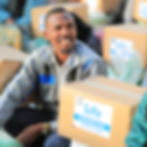
To help ease these pressures, Life for Relief and Development (LIFE) organized its Ramadan Food Basket Distribution project in Borama on March 6, 2026. The initiative provided 160 food baskets to vulnerable households, reaching approximately 1,120 individuals throughout the community. Each basket contained rice, flour, sugar, cooking oil, dates, beans, and powdered juice carefully selected to help sustain families throughout Ramadan.
LIFE teams coordinated directly with local authorities and community leaders to identify households facing the greatest hardship, including single-parent families, households caring for disabled relatives, elderly residents, and families affected by severe economic vulnerability. Staff conducted market assessments, procured supplies locally, packaged baskets individually, and organized distributions transparently using beneficiary identification systems to ensure fairness and accountability.
For many recipients, the support represented more than temporary food relief. Amina, a widowed mother of four from a marginalized community, described the emotional relief she felt after receiving the food basket. “This basket gave me peace,” she said. “My children could eat well, and I felt remembered. In these hard times, when people like us are often forgotten, this help is lifesaving.”
Another beneficiary, an elderly man named Hassan, explained that the assistance allowed him to prepare meals independently again after struggling through months of drought and rising prices.
Humanitarian support during Ramadan often carries emotional weight beyond the food itself. In communities affected by prolonged hardship, receiving assistance can restore dignity and reduce fear.
Thanks to the generosity of donors, LIFE continues reaching vulnerable communities across Somaliland with programs designed to provide both nourishment and reassurance. As drought and food insecurity continue affecting families throughout the region, sustained humanitarian support remains essential for households trying to navigate both economic hardship and climate-related crises.